


When most people think about having surgery, whether it is a planned cosmetic procedure or a necessary medical operation, they tend to focus almost entirely on the day of the surgery itself. They think about the surgeon, the hospital, and the immediate results. However, anyone who has been through the process will tell you that the real work often begins the moment you leave the theatre. The recovery phase is where the final results are truly shaped, and this is why finding high-quality Post Operative Care Glasgow is so essential for anyone looking to get back to their best as quickly and safely as possible.
In a busy city like Glasgow, we are fortunate to have access to world-class medical facilities, but once you are discharged, the responsibility for your healing often falls on your own shoulders. It can be a daunting time, filled with questions about what is normal and what might be a cause for concern. Professional post-operative support bridges that gap between the hospital bed and your everyday life, ensuring that you are not just ‘getting by,’ but actively healing in the most optimised way possible.
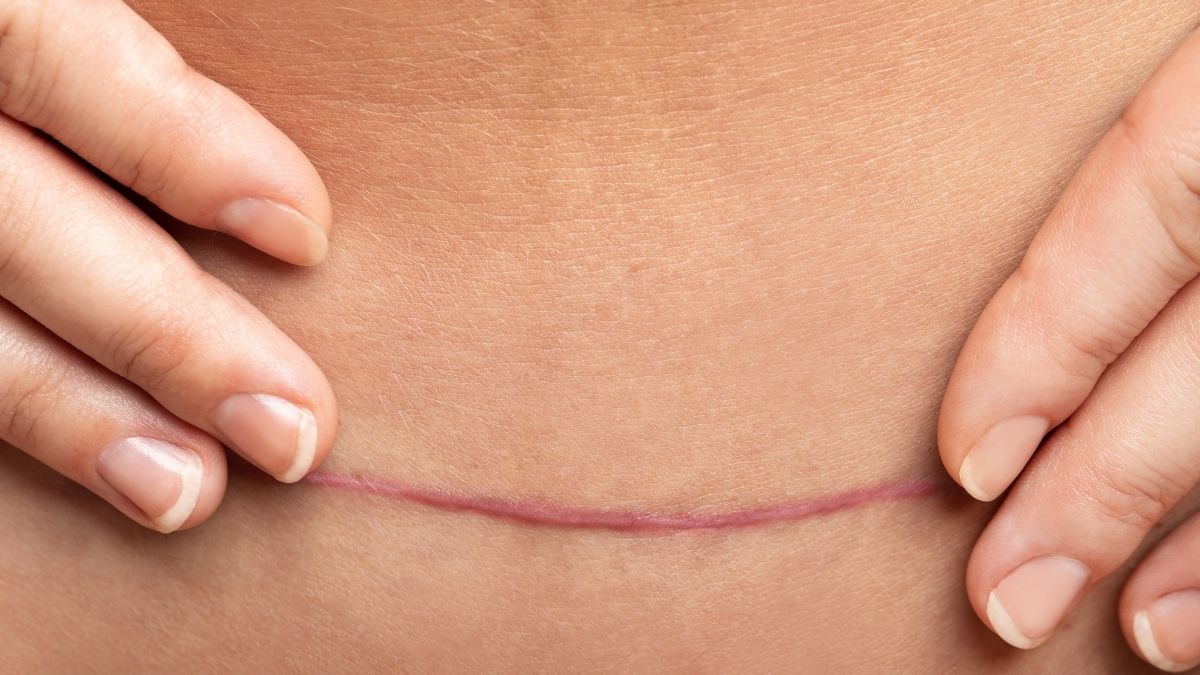
Why Professional Support Matters More Than You Think
Many patients assume that resting on the sofa with a few pillows and some prescribed painkillers is the extent of a good recovery plan. While rest is certainly a vital component, it is only one piece of the puzzle. The body goes through a significant amount of trauma during surgery, and its natural response is to create inflammation, swelling, and eventually, scar tissue. Without the right intervention, these natural responses can sometimes hinder the final aesthetic or functional outcome of your procedure.
Specialised care providers understand the physiological changes that occur in the weeks following an operation. They can identify the subtle signs of complications before they become serious issues. Furthermore, having a dedicated professional to guide you through the process provides a level of psychological comfort that is hard to overstate. When you know you have an expert monitoring your progress, the stress levels drop, and as we know, lower stress levels lead to better healing.
The Role of Manual Lymphatic Drainage
One of the most effective tools in the arsenal of post-surgical recovery is Manual Lymphatic Drainage (MLD). Following many types of surgery, particularly cosmetic procedures like liposuction or tummy tucks, the body’s lymphatic system can become overwhelmed. This leads to significant swelling (oedema) and the accumulation of fluid, which can be uncomfortable and may even distort the results of the surgery.
- MLD helps to gently move fluid away from the surgical site, reducing pressure on the tissues.
- It encourages the natural drainage of toxins and waste products from the body.
- Regular sessions can significantly reduce the ‘tight’ feeling often experienced after skin-tightening procedures.
- By reducing swelling quickly, MLD can prevent the formation of hard lumps or seromas under the skin.
In Glasgow, more patients are seeking out these specialised treatments because they recognise that the ‘wait and see’ approach to swelling simply isn’t the most efficient way to recover. By being proactive with lymphatic health, you can often see your final results much sooner than if you left the body to handle the fluid retention entirely on its own.
What to Look For in a Glasgow Recovery Clinic
If you are searching for the right place to manage your recovery, it is important to look beyond just the price list. Not all clinics offering post-surgical support are created equal. You want to find a centre that specialises in the specific type of surgery you have undergone. For example, the needs of someone recovering from a joint replacement are very different from someone who has had a facelift or body contouring.
A good clinic should offer a personalised approach. There is no such thing as a ‘one size fits all’ recovery timeline because every body reacts differently to anaesthesia and surgical trauma. You should look for a provider who takes the time to assess your specific situation, listens to your concerns, and adjusts your treatment plan as you progress. Communication is key; you should feel comfortable asking questions and feel confident in the expertise of the staff looking after you.
Tailored Recovery Plans
A bespoke recovery plan should ideally involve a combination of different techniques. This might include wound care advice, scar management strategies, and specific movements or exercises designed to restore mobility without putting undue strain on your incisions. When you choose your provider for Post Operative Care Glasgow, ask them how they tailor their services. Do they offer advice on compression garments? Do they provide guidance on nutrition to support tissue repair? These are the details that separate a basic service from a premium recovery experience.
Common Mistakes People Make During Recovery
Even with the best intentions, it is easy to make mistakes during the post-operative period. One of the most common is trying to do too much too soon. In our fast-paced society, there is often a pressure to get back to work or the gym as quickly as possible. However, pushing your body before it is ready can lead to wound dehiscence (the opening of incisions), increased scarring, and prolonged inflammation.
- Skipping follow-up appointments because you ‘feel fine’ can lead to missed early warning signs.
- Neglecting hydration and proper nutrition, which are the building blocks of new tissue.
- Failing to wear compression garments as directed by your surgeon or therapist.
- Exposing fresh scars to direct sunlight, which can cause permanent discolouration.
Another common error is comparing your recovery to others you see online. Social media is often a curated version of reality, and seeing someone else ‘back to normal’ in five days can make you feel like your own recovery is failing. In reality, everyone heals at a different pace. Professional care helps you stay focused on your own journey, providing reassurance that your timeline is perfectly normal for your specific body and procedure.
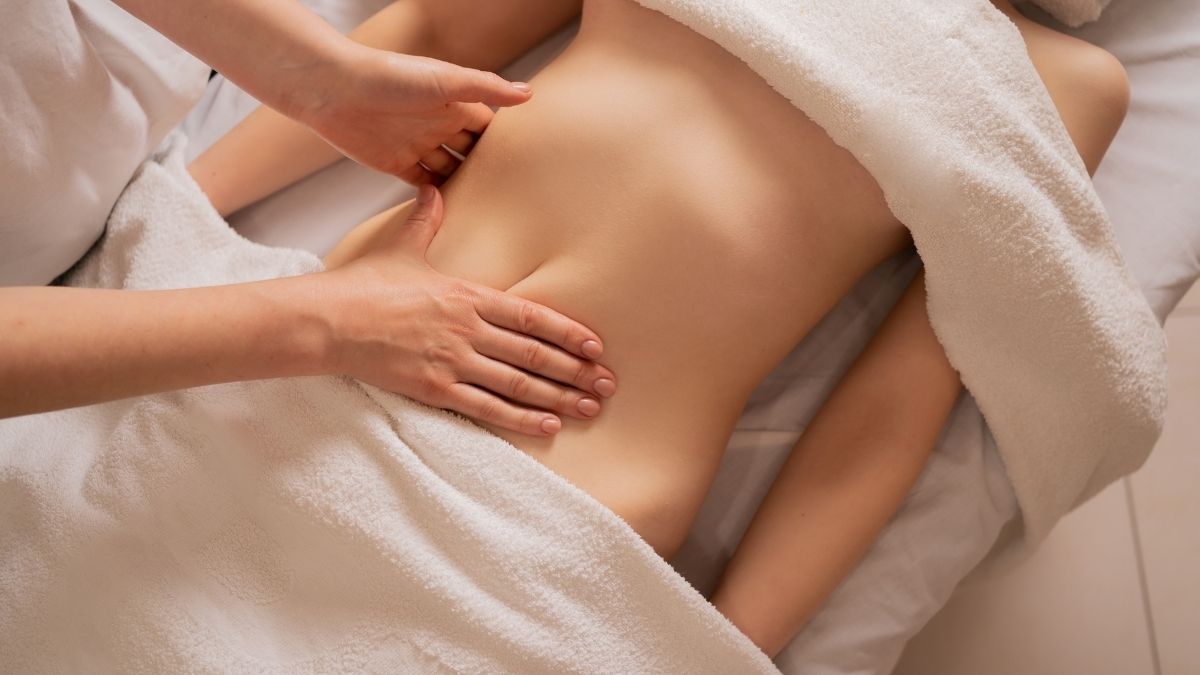
The Long-Term Benefits of Proper Scar Management
While the initial few weeks are focused on healing and reducing swelling, the long-term goal of post-operative care is often scar management. Once the incisions have closed, the way you treat the area can determine how visible the scar will be in a year’s time. Professionals can guide you on the best silicone gels, tapes, and massage techniques to ensure the scar tissue remains flat, soft, and fades as much as possible.
Scar tissue isn’t just an aesthetic concern; it can also become restrictive. If scar tissue becomes too thick or adheres to underlying structures, it can limit your range of motion or cause discomfort. Through specialised massage and mobilisation techniques, a post-operative care specialist can ensure that the tissue remains flexible. This is particularly important for surgeries near joints or in areas like the abdomen where movement is constant.
Ultimately, investing in your recovery is just as important as investing in the surgery itself. By taking a proactive approach and seeking out the best possible support in Glasgow, you are giving your body the best chance to heal correctly, comfortably, and beautifully. The peace of mind that comes from knowing you are doing everything right is perhaps the greatest benefit of all, allowing you to focus on the exciting results of your procedure rather than the stresses of the healing process.

A trend analyst who specializes in footwear. She writes about fashion trends, styling advice, and the growing demand for iconic sneaker brands.