


For many people living in Scotland, the first sign of a receding hairline or a thinning crown can be quite a shock. It is not just about the physical change in the mirror; it is often about the loss of confidence that comes with it. Whether you are walking through the windy streets of the West End or heading out for a night in the City Centre, your hair is often one of the first things people notice. Because of this, the search for a reliable glasgow hair clinic has become a priority for those looking to reclaim their appearance and their self-esteem.
The journey toward hair restoration is a deeply personal one. It usually starts with a few Google searches and a lot of questions. People often wonder if they are too young, if the results will look natural, or if the procedure will be painful. Fortunately, the field of hair restoration has advanced significantly over the last decade, and the options available in Glasgow are now world-class. You no longer have to travel to London or abroad to find specialists who can deliver high-quality, natural-looking results.
Why local expertise makes a difference
Choosing a local clinic offers more than just convenience. When you select a specialist within your own city, you are ensuring that your pre-operative and post-operative care is handled by someone you can easily visit. Hair restoration is not a one-time transaction; it is a process that requires careful monitoring. Having a specialist nearby means that if you have a question during your recovery or if you want a quick check-up to see how the grafts are settling, you can simply pop into the clinic rather than coordinating a major trip.
Furthermore, a local specialist understands the lifestyle of their patients. They know the importance of discreet service and the desire for results that look so natural that even your closest friends might not realise you have had work done. They are part of the community, and their reputation relies on the success of every single patient they treat.
What you should expect from a professional Glasgow hair clinic
When you begin researching different providers, it is important to know what a high-quality facility looks like. It is not just about the fancy waiting room; it is about the medical standards, the transparency of the staff, and the qualifications of the lead surgeon. A reputable clinic will always prioritise patient safety and honest communication over a quick sale.
Here are a few things you should look for during your initial research:
- A lead surgeon who is registered with the General Medical Council (GMC).
- Clear evidence of previous patient results, such as before-and-after galleries.
- A focus on bespoke treatment plans rather than a one-size-fits-all approach.
- A transparent pricing structure with no hidden costs.
- A clinic environment that is clean, modern, and follows strict clinical protocols.
The difference between FUE and FUT techniques
One of the most common topics discussed at a Glasgow hair clinic is the method of extraction. There are two primary techniques used in modern hair transplants: Follicular Unit Extraction (FUE) and Follicular Unit Transplantation (FUT). Understanding the difference is crucial for managing your expectations regarding recovery and scarring.
FUE is currently the most popular choice for many patients. In this procedure, individual hair follicles are extracted one by one from the donor area (usually the back of the head) and then implanted into the thinning areas. The main advantage of FUE is that it leaves tiny, dot-like scars that are virtually invisible, even if you prefer to wear your hair short. The recovery time is also generally quicker, allowing patients to return to their normal routine within a week or so.
FUT, on the other hand, involves removing a small strip of skin from the donor area, from which the follicles are then harvested. While this technique does leave a linear scar, it is often preferred for patients who require a very high number of grafts in a single session. A skilled surgeon will be able to advise which method is best suited to your specific hair type, the extent of your hair loss, and your long-term goals.
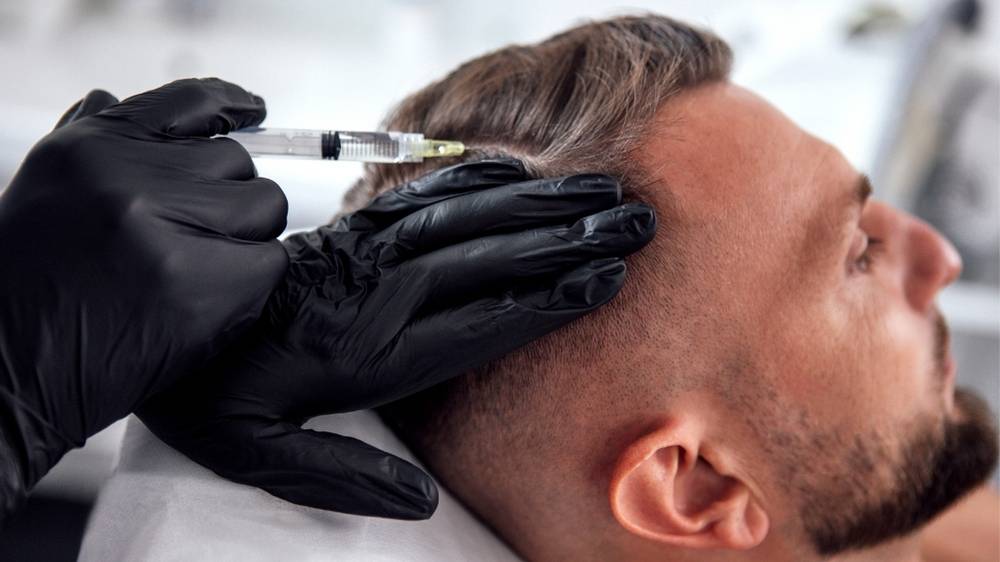
Preparing for your first consultation
The consultation is arguably the most important part of the entire process. This is your opportunity to sit down with a specialist and discuss exactly what you want to achieve. A good surgeon will spend time examining your scalp, assessing the quality of your donor hair, and discussing your medical history. They should also be honest about what is achievable; if your expectations are unrealistic, a professional will tell you why and offer the best possible alternative.
It is helpful to go into your consultation with a list of questions. This ensures you leave the clinic feeling informed and confident in your decision. You might want to ask about:
- How many procedures the surgeon has performed specifically for your type of hair loss.
- The expected timeline for seeing the final results.
- What the recovery process looks like on a day-to-day basis.
- The potential risks or side effects associated with the procedure.
- Whether you might need additional treatments, such as PRP therapy or medication, to maintain your results.
Why the aftercare process is just as important as the surgery
Many people think that once the surgery is over, the work is done. However, the first few weeks following your procedure are vital for the survival of the newly implanted grafts. A high-quality clinic will provide you with a comprehensive aftercare package, including specialised shampoos, medications to prevent infection, and detailed instructions on how to sleep and wash your hair.
During the first few days, you will need to be very gentle with your scalp. Avoiding direct sunlight, strenuous exercise, and even wearing hats is usually recommended. Your clinic should be available to support you through this period, offering follow-up appointments to monitor the healing process. This level of care is what separates a mediocre experience from a life-changing one. When you choose a dedicated specialist, you are not just paying for the surgery; you are paying for the expertise that ensures those grafts flourish and grow into thick, healthy hair.
Understanding the costs and the long term investment
It is no secret that hair restoration is an investment. While it might be tempting to look for the cheapest possible option, this is one area where quality should never be sacrificed. Correcting a poorly executed hair transplant is often much more expensive and difficult than getting it right the first time. When you look at the cost, think of it as a permanent solution to a problem that has likely caused you years of stress.
The total price usually depends on the number of grafts required and the complexity of the procedure. During your consultation at the clinic, you should receive a detailed quote that covers everything from the initial surgery to the follow-up care. Many people find that the boost in confidence and the elimination of the need for expensive temporary concealers make the procedure well worth the investment. It is about more than just hair; it is about feeling like yourself again every time you look in the mirror or step out into the city.
The modern approach to hair restoration focuses heavily on the artistry of the hairline. A skilled surgeon doesn’t just place hair randomly; they consider the angle, the density, and the natural growth patterns of your existing hair. This ensures that as the hair grows in over the following twelve to eighteen months, it blends seamlessly with your natural look. This attention to detail is what defines a premium service and ensures that the results stand the test of time, giving you a fuller head of hair that looks completely authentic.

A trend analyst who specializes in footwear. She writes about fashion trends, styling advice, and the growing demand for iconic sneaker brands.